
Blog Summary:
A practical first-person guide explaining what visitors can still do during the 2026 Table Mountain Cableway maintenance shutdown, how to plan a safe ascent and descent, which routes may suit different visitors, what facilities will be closed and when Lion’s Head or a lower mountain walk may be a better alternative.
Book Your Private Guided Hike in Cape Town
About This Guide Read time: 9-10 min

The Table Mountain Aerial Cableway will be closed for annual maintenance from Monday, 27 July to Sunday, 9 August 2026, with reopening planned for Monday, 10 August, weather permitting.
The mountain itself is not completely closed: hikers can still use open routes, but there will be no cable car operating in either direction and the summit and station facilities will be unavailable.
The biggest planning change is simple: anyone hiking up must also be physically and practically prepared to hike back down. My advice to visitors is not to build the day around reaching the Upper Cableway Station and hoping for transport. Choose a route that suits your fitness, knees, confidence with heights, available daylight and the weather forecast, and carry everything you will need from the start.
Is Table Mountain Completely Closed During the Cable Car Shutdown?
No. The closure applies to the Table Mountain Aerial Cableway and its station facilities, not to the whole of Table Mountain National Park. Hiking remains possible on routes that are officially open.
The better approach is to understand that Table Mountain becomes a full hiking day rather than a cable-car-assisted visit.
Before I recommend a route, I normally ask how often the guest hikes, whether they are comfortable on uneven stone steps, whether they have knee or ankle concerns, and how they feel about walking down a long descent. Uphill fitness does not automatically mean a guest will manage a long descent comfortably.
Can You Hike Up and Take the Cable Car Down?
Not during the maintenance shutdown. There will be no cable car service up or down between 27 July and 9 August 2026.
During normal operations, many people hike one way and use the cable car for the descent. During the closure, reaching the top is only the halfway point unless your route returns elsewhere.
A proper plan should include:
- The route up and the route down
- The total time for both directions
- Enough daylight for the slower half of the day
- Water and food for the complete outing
- Warm and waterproof layers
- A transport plan if the descent ends far from the starting point
- A backup route if cloud, wind or rain changes the original plan
I would rather shorten the route before we start than place a guest in a situation where fatigue, darkness or weather controls the decision later.
Are Toilets, Restaurants and Shops Open at the Stations?
Visitors should plan on the summit and station facilities being closed during the maintenance period. That means you should not depend on the Upper or Lower Cableway Station for toilets, food, drinks, shopping or shelter.
Carry your own water and enough food for delays. Use a toilet before beginning the hike, and do not assume there will be a warm indoor place waiting at the top. A calm winter morning near the city can feel very different higher up in cloud and wind.
I also advise guests to take all litter back down. Table Mountain forms part of a protected natural area, and stepping off the trail or leaving waste behind damages the fynbos and the hiking experience for everyone after you.
Which Table Mountain Route Is Best During the Closure?
There is no single best route for every visitor. The right route depends on fitness, recent hiking experience, weather, daylight, confidence on steep ground and whether the same route is suitable for descending.
Platteklip Gorge: Direct but Physically Demanding
Platteklip Gorge is the most direct and easiest-to-follow popular route to the top, but easy navigation does not mean easy physical effort. It is a steep, sustained climb on stone steps with very little relief.
Many visitors choose it because it looks short on a map. What the map does not show well is the repeated uphill stepping and the strain of coming back down the same terrain. The descent can be hard on tired knees, ankles and thighs, particularly when the stones are wet.
Platteklip may suit active visitors who are comfortable with a steep ascent and descent, have suitable footwear, and are prepared to move at a steady pace. I would not describe it casually as a beginner walk.
Kasteelspoort: Longer and More Gradual, Not Automatically Easier
Kasteelspoort approaches the Back Table from the Camps Bay side. It is generally longer and feels less relentlessly steep than Platteklip, but the full outing can require more time, navigation and endurance.
The Atlantic-facing slopes can be exposed to changing wind and weather. It does not finish beside the city-facing starting point, so transport and descent planning matter.
Kasteelspoort may suit hikers who prefer a longer day, are comfortable with mountain navigation and want a route that is less stair-like. It is not the route I would choose simply because someone has heard that it is “easier.”
Lower Contour Routes and the Pipe Track: A Successful Day Without a Summit
A summit is not the only successful mountain experience. For visitors with limited fitness, younger children, uncertain weather or knee concerns, a lower route can be the better choice.
Sections of the Pipe Track and suitable contour paths allow guests to experience the fynbos, sandstone slopes and Atlantic Seaboard views without committing to a full climb and descent. These routes still contain uneven and stony ground, and some sections are exposed to sun or wind, but the day can be adjusted more easily.
When I guide families, I pay attention to energy on the outward section. Children often move quickly while excited and then become tired on the return. Turning around while everyone is still comfortable usually produces a better experience than forcing a summit target.
Is Lion’s Head a Good Alternative?
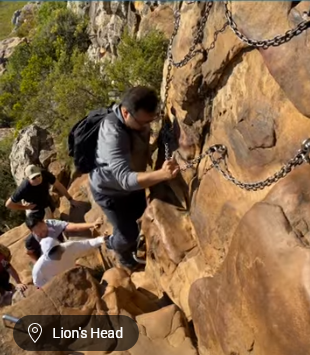
Lion’s Head can be a good alternative, but it should not be presented as a smaller, automatically easy version of Table Mountain. The standard summit route includes steep sections, minor scrambling and climbing aids near the upper part. It can also become busy and exposed to wind.
For fit visitors who are comfortable with heights and rocky terrain, Lion’s Head offers a shorter outing with changing views over the city, Table Mountain and the Atlantic Seaboard. For nervous beginners, very young children or anyone uncomfortable on exposed ground, a lower turning point may be more suitable than the summit.
Separate maintenance or trail restrictions can also affect access, so check current SANParks notices before travelling. Signal Hill or a lower nature walk may be a more relaxed alternative when the weather or the group’s ability does not suit a summit hike.
Is It Safe to Hike Alone During the Closure?
I do not recommend that an unfamiliar visitor hike alone on Table Mountain. The closure removes the cable car as a transport option and leaves fewer services around the stations.
Cape Town’s mountain weather can change quickly, visibility can disappear in low cloud, and a wrong turn can become serious when daylight is limited. Table Mountain is also an urban national park, so personal security awareness matters. Stay on recognised routes, avoid displaying valuables, tell someone exactly where you are going, and keep the group together.
SANParks advises hiking in groups, choosing a route carefully, starting early, carrying waterproof clothing, taking sufficient food and water, and turning back before bad weather or lateness becomes a problem. A fully charged phone is important, but it is not a substitute for route knowledge because reception is not reliable everywhere.
What Weather Should Visitors Expect in Late July and Early August?
The closure falls in Cape Town’s winter. That can bring rain, cold fronts, low cloud, wet sandstone, shorter daylight and strong wind. It can also bring clear, calm hiking windows between fronts.
I do not decide whether a hike is suitable from one weather symbol on a phone. I look at expected rain, wind strength and direction, cloud level, visibility, recent rainfall and how exposed the route will be. Conditions on the upper mountain may be colder and windier than in the city.
Wet sandstone and stone steps demand slower movement. Low cloud can remove visual landmarks. Strong wind may make an exposed route uncomfortable or unsafe even when it is not raining. A responsible plan includes a weather date or a lower, more sheltered alternative.
What Should You Wear and Carry?
For a winter hike during the shutdown, I recommend:
- Hiking shoes or trail shoes with reliable grip
- A light waterproof outer layer
- A warm mid-layer
- Comfortable clothing that allows free movement
- Enough water for the full ascent and descent
- Food and an additional snack for delays
- A charged mobile phone and portable power bank
- A basic first-aid kit
- Sun protection, even in winter
- A route map or reliable offline navigation
- A small bag for personal litter
Avoid smooth-soled fashion shoes. A route that feels manageable in dry conditions can become slippery after rain. Pack for the upper mountain, not only for the temperature outside your hotel.
Can Beginners and Children Still Hike?
Yes, provided the route and turnaround point are matched honestly to the individual. “Beginner” can describe someone who is fit from another sport but new to mountain terrain, or someone who has done very little exercise. Those are different guests.
Before I guide a family, I consider the children’s ages, walking experience, attention span, confidence on uneven ground and whether the adults can assist them without becoming exhausted themselves. I also consider the descent. A child who can climb energetically may still need patience and close supervision when coming down.
For many first-time visitors, a shorter private hike, lower contour route or flexible Lion’s Head outing is more suitable than a full summit. A route can be extended when the group is moving well; an overambitious start is harder to undo.
Common Mistakes Visitors Make During the Closure
The mistakes I most often want visitors to avoid are:
- Planning only the climb and not the descent
- Assuming the shortest route is the easiest
- Depending on station toilets, food or shelter
- Starting late because the route looks close to the city
- Wearing shoes without grip
- Carrying too little water or no proper food
- Ignoring recent rain and wet trail conditions
- Splitting the group to accommodate different speeds
- Continuing into cloud because the summit seems nearby
- Treating turning back as failure
The mountain does not reward stubbornness. Changing the route, using a lower turning point or postponing the hike can be the most experienced decision made that day.
Should You Book a Guide Before Travelling?
A guide is not compulsory for every open route, but it can be especially useful during the closure if you are unfamiliar with Cape Town’s terrain, have limited time, are travelling alone, are hiking with children, or want a route selected around your actual ability.
Private guided hikes allow the pace, start time, route and backup plan to be adjusted to the guest rather than to a large mixed group. They also make it easier to plan transport when the start and finish points differ.
Muki Venture offers private guided hikes in Cape Town with an accredited local guide with more than 15 years of experience. I cannot promise a summit, because weather and guest safety come first. What I can promise is honest route advice, preparation for the full hike, and a pace that respects the slowest person in the group.
The
cable car closure
does not mean you must miss the mountain. It means the day needs a proper hiking plan. Check the latest official updates, leave space for Cape Town’s weather to change, and choose an experience that you can complete safely and comfortably on foot.
FAQ: What Visitors Should Know During the Table Mountain Cable Car Closure in 2026
1. Is Table Mountain completely closed during the 2026 Cable Car shutdown?
Explore moreNo. The Cableway will be closed, but visitors may continue hiking on routes that remain officially open. There will be no cable car transport or access to the summit and station facilities.
My Practical Advice: Treat it as a full hiking day and check official route notices before leaving your accommodation.
2. Can I hike up Table Mountain and take the cable car down?
No. The Cableway will not operate in either direction from 27 July to 9 August 2026.
My Practical Advice: Calculate your time, water and energy for both the ascent and descent. Reaching the top is only half of the outing.
3. Will the toilets and restaurants be open?
Visitors should expect the station ablution facilities, restaurants, bars and shops to be closed during the shutdown.
My Practical Advice: Use a toilet before starting and carry all the water and food you need.
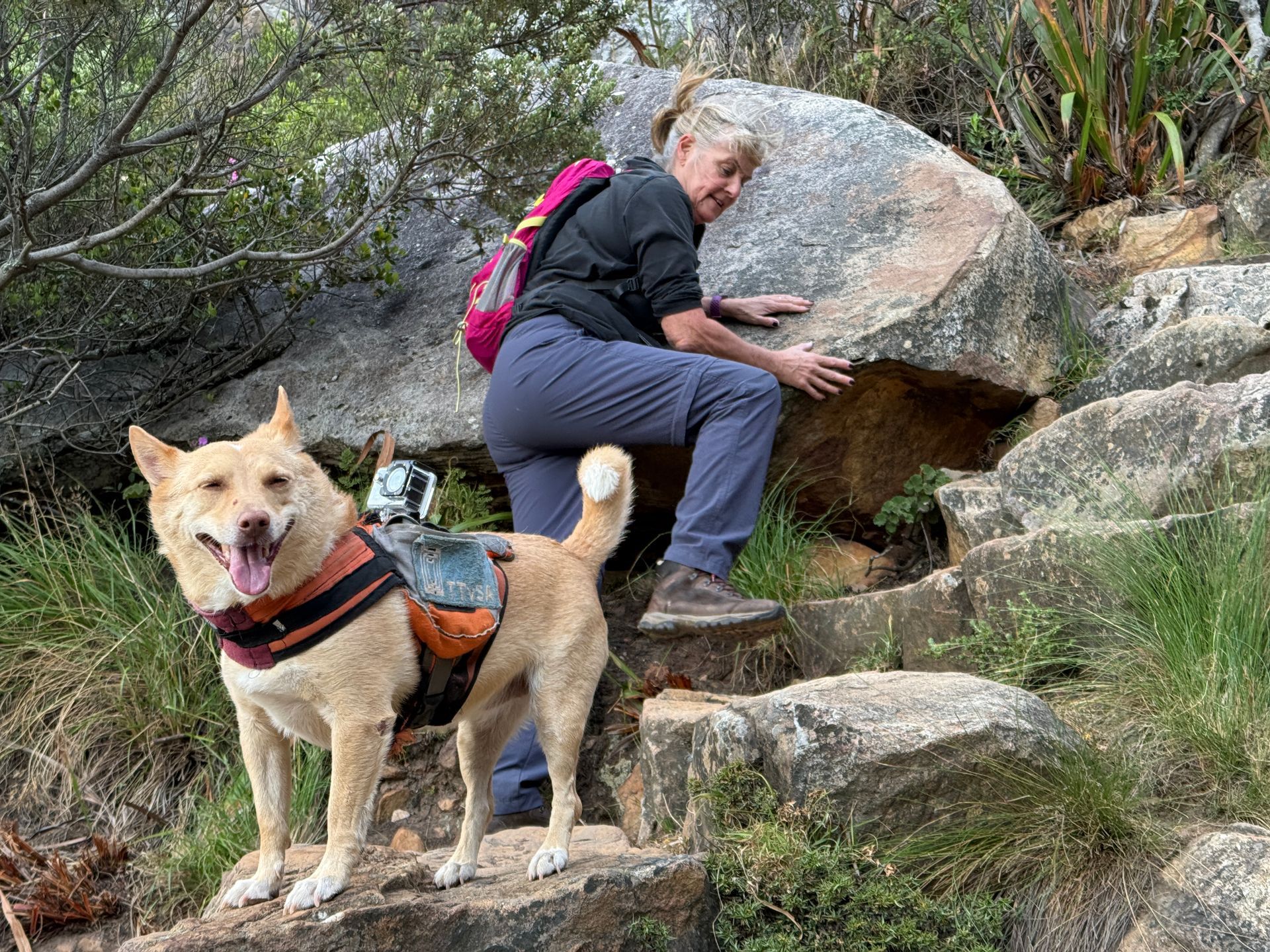
4. Is Platteklip Gorge suitable for beginners?
 Learn more
It can suit a fit beginner who is comfortable with steep stone steps, but it is not a gentle walk. The climb is sustained, and the descent can be demanding on tired knees and ankles.
My Practical Advice: Do not choose Platteklip only because it is the shortest recognised route to the top.
5. Is Kasteelspoort easier than Platteklip Gorge?
Kasteelspoort can feel more gradual, but it is longer and requires more time, endurance, navigation and transport planning.
My Practical Advice: Choose it because it suits your experience and preferred terrain—not because someone called it easy.
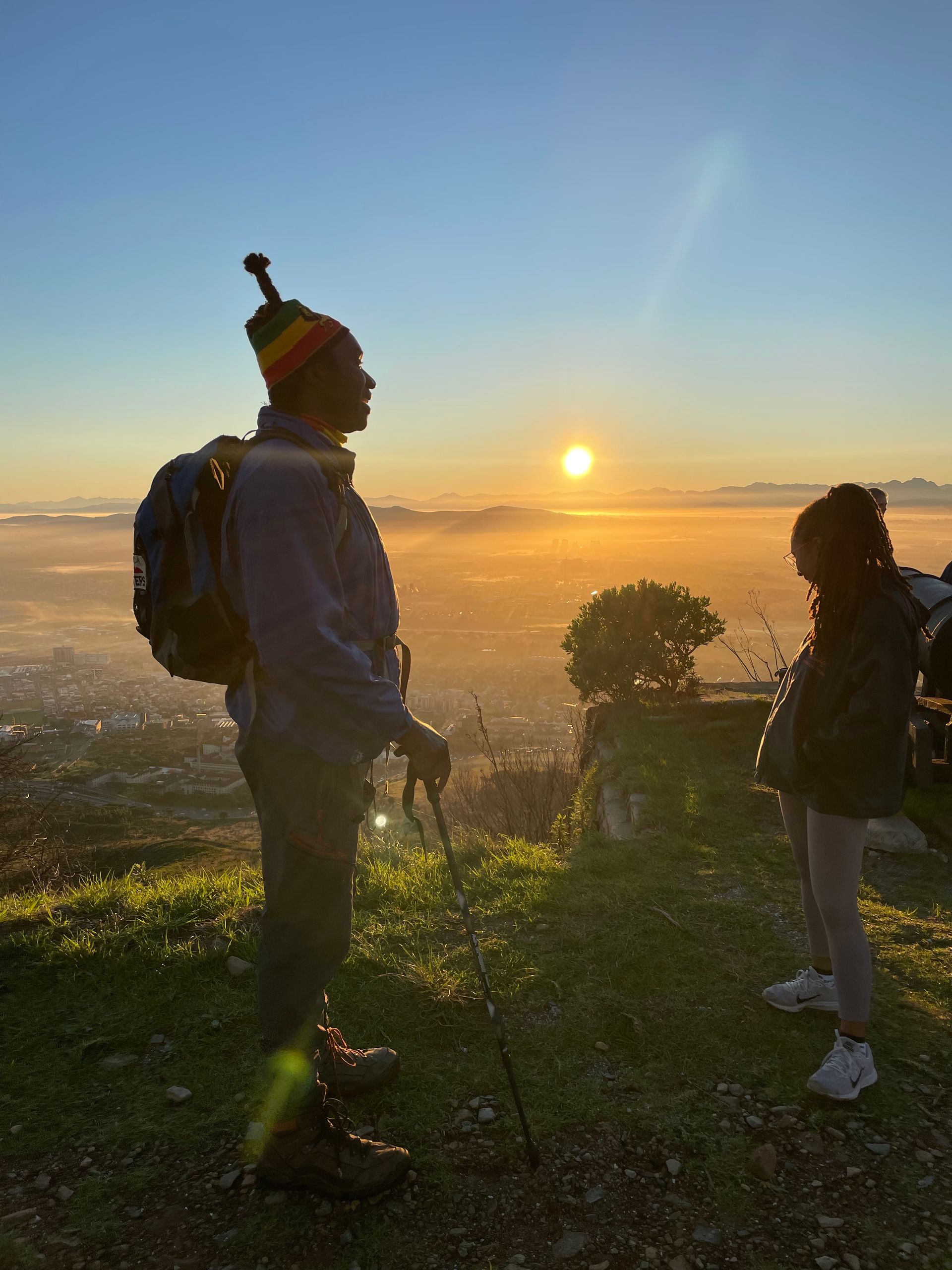
6. Can children hike during the closure?
 Lean More
Yes, but the route must suit their age, walking experience, confidence and ability to complete the descent.
My Practical Advice: Plan a flexible turnaround point. A shorter, enjoyable family hike is better than an exhausted descent.
7. Is Lion’s Head a good alternative to Table Mountain?
 Learn more..
Lion’s Head can work well for fit visitors who are comfortable with rocky terrain and some exposure. It should not automatically be treated as an easy family option.
My Practical Advice: Decide in advance whether everyone is comfortable with scrambling and heights. A lower turning point is completely acceptable.
8. Is it safe for a tourist to hike alone?

SANParks recommends hiking in groups and advises visitors to start early, share their route and stay on recognised paths.
My Practical Advice: Visitors unfamiliar with Cape Town’s mountains should join a suitable group or book an accredited local guide.
9. What happens when the weather changes?
Rain can make sandstone and stone steps slippery. Low cloud can remove visual landmarks, while strong wind can affect exposed routes.
My Practical Advice: Do not continue simply because the summit looks close. Turn back before conditions remove your safe options.
10. Should I book a guided hike before arriving in Cape Town?
 Book here
Advance booking is sensible during the closure, particularly for private tours, family hikes and limited travel dates.
My Practical Advice: Keep a second weather date available rather than forcing the hike into unsuitable conditions.
More Cape Town Vlogs & Local Stories
Explore more Cape Town stories from Muki Venture — from hikes and hidden gems to food, events, stays, and local experiences.