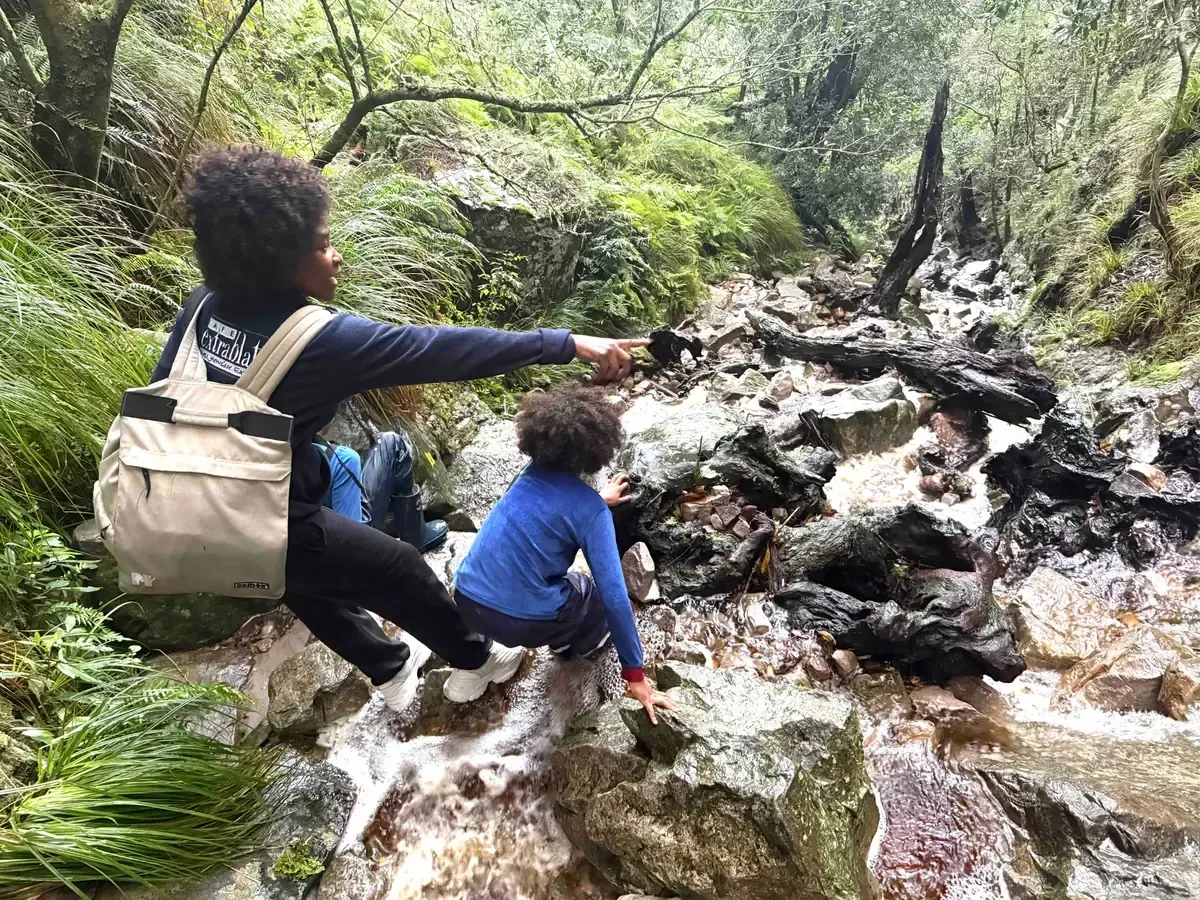
A guided hike on the Platteklip GorgeTrail on Table Mountain in Cape Town, South Africa
a
FAQ
The best time is early morning, between 6:00 AM and 7:00 AM, to avoid heat, crowds, and afternoon winds.
Risks include slippery trails, strong winds, heavy rainfall, cold temperatures, and reduced visibility due to thick clouds.
It’s not recommended. Afternoon hikes expose you to intense heat, strong winds, and potential dehydration.
Yes, several Cape Town hiking shuttle services offer direct transfers to Platteklip Gorge and other Table Mountain trailheads.
Wear waterproof hiking boots, thermal layers, a windproof rain jacket, gloves, and a beanie to protect against the cold and rain.
Yes. Trails like Platteklip Gorge and Skeleton Gorge become extremely slippery and muddy in winter after rain.
Yes. Wind and cloud cover (the Tablecloth effect) often develop by late morning. Morning hikes offer the clearest views and safest conditions.
Yes. Always check the Cape Town weather forecast and Table Mountain visibility updates before attempting a winter hike.
No. Cold, wet, and dark conditions make sunrise hikes risky in winter. Start later when daylight and weather improve.
It’s not recommended. Always hike in a group or with a guide during winter months due to higher risk factors.
Planning a cold-season adventure and wondering is it possible to hike Table Mountain during winter and what are the risks? These trending FAQs explain everything hikers need to know about hiking Table Mountain in Cape Town’s rainy season. Whether you’re searching for Table Mountain winter hiking safety tips, can you hike Table Mountain in bad weather, or what are the dangers of winter hiking in Cape Town, this guide gives you accurate, actionable answers. Knowing the challenges of winter hikes can save you from weather hazards, slippery paths, and poor visibility. Don’t hike blindly—read these essential FAQs now!
From Our Blog
What Is the Best Time of Day to Start a Table Mountain Hike in Summer? /FAQ
Are There Toilets or Facilities Available on Table Mountain Hiking Trails? / FAQ
How Do I Get to the Start of the Platteklip Gorge Hike Without a Car? / FAQ
Can Kids Safely Hike Table Mountain and Which Trail Is Best for Families? / FAQ
Your post title
Your post title
Your post title
Frequently asked questions
1. Is it possible to hike Table Mountain during winter?
The best time is early morning, between 6:00 AM and 7:00 AM, to avoid heat, crowds, and afternoon winds.
2. What are the main risks of hiking Table Mountain in winter?
Risks include slippery trails, strong winds, heavy rainfall, cold temperatures, and reduced visibility due to thick clouds.
3. Is winter the best season to hike Table Mountain?
It’s not recommended. Afternoon hikes expose you to intense heat, strong winds, and potential dehydration.
4. Can beginners safely hike Table Mountain in winter?
Yes, several Cape Town hiking shuttle services offer direct transfers to Platteklip Gorge and other Table Mountain trailheads.
5. What should I wear for a winter hike on Table Mountain?
Wear waterproof hiking boots, thermal layers, a windproof rain jacket, gloves, and a beanie to protect against the cold and rain.
6. Are Table Mountain trails slippery in winter?
Yes. Trails like Platteklip Gorge and Skeleton Gorge become extremely slippery and muddy in winter after rain.
7. Can I use the Table Mountain Cableway during winter hikes?
Yes. Wind and cloud cover (the Tablecloth effect) often develop by late morning. Morning hikes offer the clearest views and safest conditions.
8. Is weather forecasting crucial before a winter hike on Table Mountain?
Yes. Always check the Cape Town weather forecast and Table Mountain visibility updates before attempting a winter hike.
9. Are sunrise hikes safe during winter on Table Mountain?
No. Cold, wet, and dark conditions make sunrise hikes risky in winter. Start later when daylight and weather improve.
10. Can I hike Table Mountain alone in winter?
It’s not recommended. Always hike in a group or with a guide during winter months due to higher risk factors.